Learn Web Development Online: Beginner to Advanced Courses
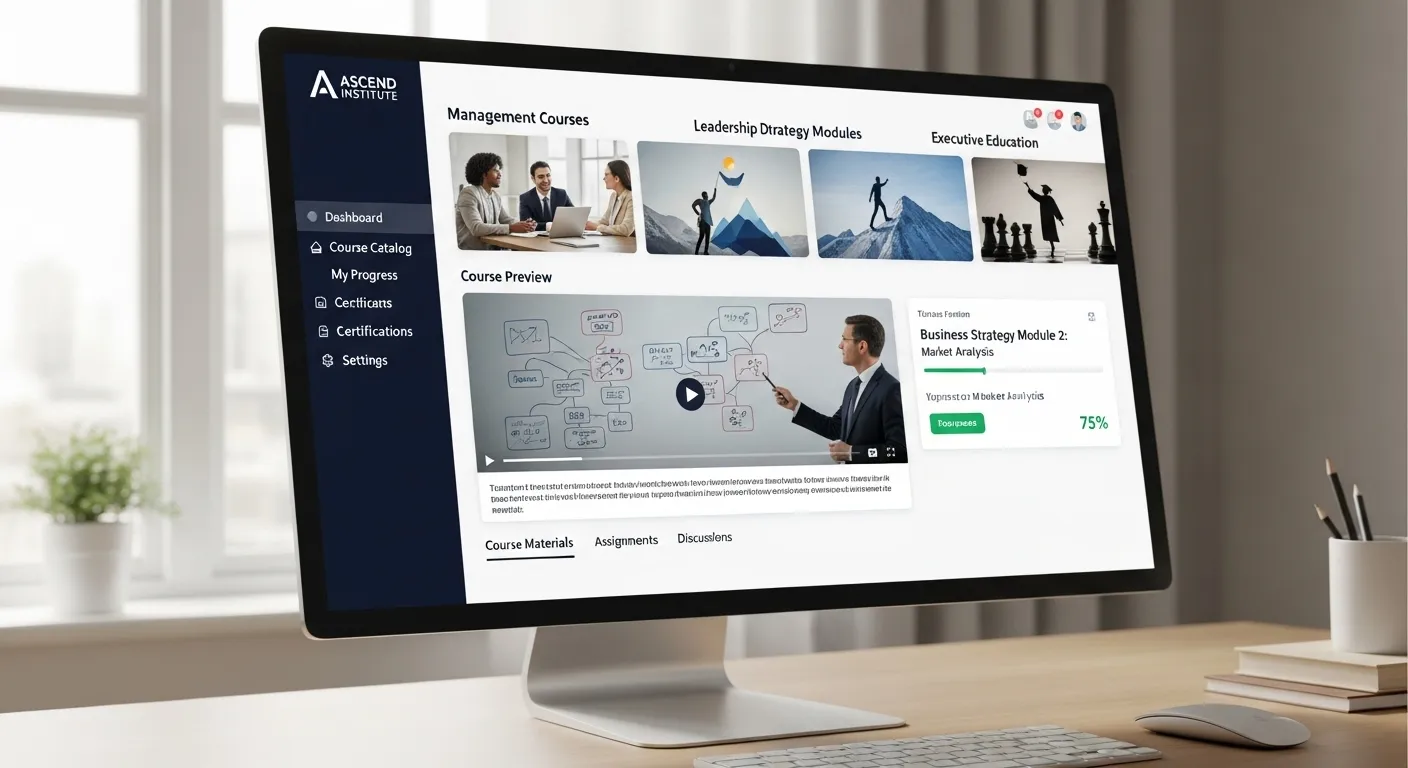
Embarking on a journey to learn web development online opens up a world of opportunities in a rapidly evolving digital landscape. Whether you're a complete novice or an experienced professional looking to upskill, the internet offers an unparalleled array of resources, from free tutorials to comprehensive web development courses and intensive bootcamps. This guide will navigate you through the essentials, helping you choose the right path from beginner fundamentals to mastering advanced techniques, ensuring you build a robust foundation for a successful career.
Key Points:
- Flexible Learning: Online platforms offer unparalleled flexibility to fit your schedule.
- Comprehensive Curriculum: Access courses covering front-end, back-end, and full-stack development.
- Career Advancement: Develop in-demand skills for a thriving tech industry.
- Practical Experience: Focus on project-based learning to build a strong portfolio.
- Community Support: Benefit from online communities and expert mentorship.
Why Learn Web Development Online?
The digital age has made web development an indispensable skill, with demand for skilled professionals consistently high. Choosing to learn web development online provides numerous advantages, chief among them being unparalleled flexibility and accessibility. You can tailor your learning schedule around existing commitments, making it ideal for career changers, students, or those looking to enhance their current skill set. Online education often presents a more cost-effective alternative to traditional schooling, democratizing access to high-quality instruction.
A significant trend in online learning is the rise of adaptive learning paths and micro-credentialing. These allow learners to focus on specific skills, earning verifiable credentials that are highly valued by employers. This modular approach means you can specialize in areas like responsive design or API integration without committing to a lengthy degree program. Readers interested in the broader landscape of tech careers can find more information in our articles on digital transformation.
Essential Skills for Aspiring Web Developers
Becoming a proficient web developer requires a diverse skill set, encompassing both foundational programming knowledge and an understanding of modern web technologies. The journey typically involves mastering front-end, back-end, or a combination of both in full-stack development.
Front-End Development Fundamentals
Front-end developers focus on the user-facing aspects of a website – everything you see and interact with. Key technologies include:
- HTML (HyperText Markup Language): The backbone of all web pages, defining content structure.
- CSS (Cascading Style Sheets): Used for styling the appearance of web content, from colors and fonts to layout.
- JavaScript: The interactive layer, enabling dynamic content, animations, and complex user interfaces.
- Frameworks & Libraries: Tools like React, Vue.js, or Angular streamline development, offering pre-built components and efficient ways to manage complex UIs.
- Responsive Design: Ensuring websites look and function well across all devices, from desktops to mobile phones.
Back-End Development Essentials
Back-end development deals with the server-side logic, databases, and APIs that power a website from behind the scenes. This is where data is stored, processed, and served to the front-end.
- Server-Side Languages: Popular choices include Python (with frameworks like Django or Flask), Node.js (JavaScript on the server), Ruby (Ruby on Rails), or PHP (Laravel).
- Databases: Learning to interact with databases like SQL (PostgreSQL, MySQL) or NoSQL (MongoDB) is crucial for data storage and retrieval.
- APIs (Application Programming Interfaces): Understanding how to build and consume APIs allows different software components to communicate effectively.
Full-Stack Development: Bridging the Gap
Full-stack developers are proficient in both front-end and back-end technologies, capable of building a complete web application from start to finish. This role demands a broader understanding and often includes:
- Version Control: Tools like Git are essential for tracking changes in code and collaborating with teams.
- DevOps Basics: Understanding deployment, hosting, and server management.
- Problem-Solving: The ability to debug and troubleshoot issues across the entire application stack.
For a deeper dive into specific programming languages, explore our guides on Python for data science or JavaScript frameworks.
Choosing the Best Online Web Development Courses
With countless options available, selecting the right online web development courses is critical for your learning journey. Consider your current skill level, learning style, and career goals.
Beginner Web Development Courses: Your Starting Point
If you're just beginning, look for courses that emphasize foundational concepts and practical, project-based learning. Platforms like Codecademy, freeCodeCamp, Udemy, and Coursera offer excellent introductory programs that cover HTML, CSS, and JavaScript. Focus on building small projects to solidify your understanding. A good beginner course will guide you through creating your first responsive webpage or interactive application.
Advanced Web Development Techniques Online
For those with a basic understanding, advanced web development techniques online courses delve into specialized areas. This could include mastering a specific framework (e.g., MERN stack for JavaScript developers), delving into performance optimization, security best practices, or exploring serverless architectures. A key differentiator in modern advanced courses is the integration of AI-assisted development tools. These tools, ranging from intelligent code completion to automated testing, are becoming indispensable for efficiency and innovation. According to a 2024 report by Stack Overflow, proficiency in AI/ML tools is becoming a significant differentiator for web developers.
Online Coding Bootcamps vs. Self-Paced Learning
The choice between structured online coding bootcamps and self-paced learning depends on your discipline and budget. Bootcamps offer intensive, career-focused training, often with dedicated career support and a faster path to employment, albeit at a higher cost. Self-paced learning provides ultimate flexibility and can be more affordable, but requires strong self-motivation and discipline. A study published by Course Report in late 2023 indicated that bootcamp graduates often achieve higher initial salaries compared to self-taught developers, though self-paced learning offers unparalleled flexibility. Our category on Data Science and Analytics Courses also features programs that can complement a web development career, particularly in data visualization.
Building Your Portfolio and Landing a Job
Learning web development is only half the battle; showcasing your skills is equally important. A strong portfolio of practical projects is your most valuable asset. Focus on building diverse projects that demonstrate your proficiency in various technologies and problem-solving abilities. Contribute to open-source projects, participate in hackathons, and create personal websites or applications that solve real-world problems.
Networking within the developer community, both online and offline, can open doors to opportunities. Utilize platforms like LinkedIn, attend virtual meetups, and engage in developer forums. When it comes to job applications, tailor your resume and cover letter to each role, highlighting relevant projects and web developer skills. Prepare for technical interviews by practicing coding challenges and discussing your project experiences. LinkedIn's 2025 'Future of Jobs' report highlights that practical project experience and soft skills are increasingly valued by employers over traditional degrees alone. Discover more career advice and interview tips in our dedicated section on professional development.
Frequently Asked Questions About Learning Web Development Online
How long does it take to become a web developer online?
The time it takes to become a web developer online varies significantly based on your dedication, prior experience, and the intensity of your chosen program. For beginners, a solid foundation in front-end development (HTML, CSS, JavaScript) can be achieved in 3-6 months with consistent effort. Becoming proficient in full-stack development or specializing in advanced areas might take 9-18 months or more. Continuous learning is a hallmark of the web development field.
Do I need a degree to get a web development job?
No, a traditional computer science degree is often not a strict requirement for web development jobs, especially in the current tech landscape. While a degree can provide a strong theoretical foundation, employers increasingly prioritize practical skills, a robust project portfolio, and demonstrable problem-solving abilities. Many successful web developers are self-taught or have completed online bootc