Find Your Next Online Course: Skill Advancement & Career Growth
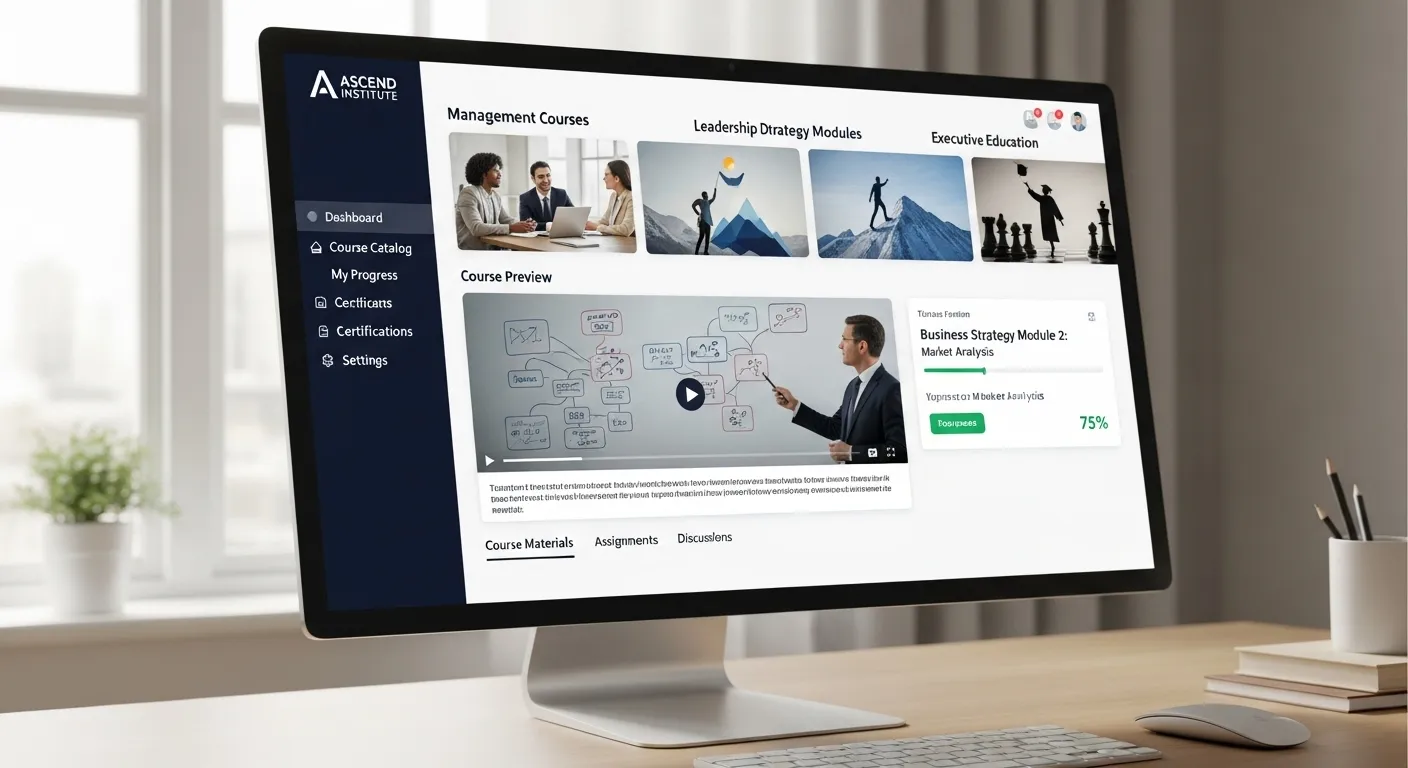
In today's rapidly evolving professional landscape, continuous learning isn't just an advantage—it's a necessity. The digital age has transformed how we acquire new knowledge, making it easier than ever to find your next online course and embark on a journey of skill advancement and career growth. Whether you're looking to pivot careers, deepen your expertise in a specific field like data science, or simply stay competitive, online learning offers unparalleled flexibility and access to world-class education. This guide will walk you through the essential steps to identify, select, and maximize the benefits of your next online learning experience, ensuring your investment truly propels your professional trajectory.
Key Points for Online Learning Success:
- Flexibility & Accessibility: Learn anytime, anywhere, fitting education into your busy schedule.
- Targeted Skill Development: Focus on specific skills crucial for your desired career growth.
- Diverse Course Offerings: From certifications to full degrees, options abound across all industries.
- Cost-Effectiveness: Often more affordable than traditional education, with high ROI.
- Global Networking: Connect with peers and instructors from around the world.
The Evolving Landscape of Online Learning for Skill Advancement
The past few years have dramatically accelerated the adoption of online education, solidifying its role as a primary driver for skill advancement. What was once a niche option has become a mainstream pathway for millions seeking professional development and career growth. This shift is fueled by technological innovations and a growing demand for specialized skills that traditional education systems sometimes struggle to keep pace with. Online learning platforms now offer everything from short courses to comprehensive bootcamps and even accredited degrees, catering to a diverse range of learning needs and professional aspirations.
A significant trend observed is the rise of micro-credentials and personalized learning paths. Instead of lengthy degree programs, many professionals are opting for shorter, focused certifications that validate specific skills, making it easier to demonstrate proficiency to employers. These modular learning experiences allow individuals to tailor their education precisely to their career goals, acquiring only the skills they need, when they need them. This agility is crucial in fast-moving fields, including data science and analytics, where new tools and methodologies emerge constantly.
How to Effectively Find Your Next Online Course
Identifying the right online course requires a strategic approach. It's not just about enrolling in the first interesting program you see; it's about making an informed decision that aligns with your professional objectives. To truly find your next online course that delivers value, consider these critical steps.
Identify Your Goals and Learning Style
Before diving into course catalogs, take time to reflect on your motivations. Are you aiming for a complete career change, or do you want to upskill within your current role? For instance, someone in marketing might seek to enhance their data analytics skills, while an entry-level professional might aim for a foundational data science certification. Your learning style also plays a vital role: do you thrive in self-paced environments, or do you prefer structured programs with live sessions and peer interaction? Understanding these preferences will narrow down your options considerably.
Researching Top Online Learning Platforms
The online learning ecosystem is vast, with numerous platforms offering diverse courses. Major MOOC (Massive Open Online Course) providers like Coursera, edX, and Udacity collaborate with universities and industry leaders to offer high-quality content. Specialized platforms, such as DataCamp or Kaggle, cater specifically to fields like data science and analytics, providing hands-on projects and expert-led instruction. When researching, consider the platform's reputation, the instructors' credentials, and the overall user experience. Look for platforms that offer a good balance of theoretical knowledge and practical application.
Evaluating Course Content and Outcomes
Once you've identified potential courses, scrutinize their curriculum. Does it cover the specific topics you need for skill advancement? Are there practical projects, case studies, or capstone assignments that allow you to apply what you learn? For those pursuing career growth, look for courses that offer recognized certifications or pathways to further education. Reading student reviews and testimonials can provide invaluable insights into the course's quality, instructor effectiveness, and real-world applicability. A study published by Coursera in 2024 highlighted that courses with practical projects and peer feedback loops reported significantly higher completion rates and learner satisfaction.
Unlocking Career Growth with Specialized Online Courses
Specialized online courses are powerful catalysts for career growth, particularly in high-demand sectors. Fields like data science, artificial intelligence, cybersecurity, and digital marketing are constantly evolving, creating a continuous need for professionals with up-to-date skills. Investing in a course that focuses on a niche within these areas can significantly enhance your marketability.
A key differentiator in today's online learning environment is the integration of AI into course content and future job skills. As AI technology advances, understanding its applications and implications becomes crucial across all industries. Many cutting-edge online courses now incorporate AI tools, machine learning concepts, and ethical AI considerations directly into their curriculum, preparing learners for future-proof roles. For example, a data science course might now include modules on explainable AI or MLOps, reflecting current industry demands. This proactive approach ensures that learners are not just catching up but are prepared for the next wave of technological change. Readers interested in specific data analytics tools or machine learning applications can explore related articles on advanced techniques.
Maximizing Your Online Learning Experience
Enrolling in an online course is just the first step; maximizing its value requires commitment and strategic engagement. Effective time management is paramount, especially for busy professionals. Set aside dedicated study hours and treat them as non-negotiable appointments. Active participation, whether through discussion forums, group projects, or asking questions, can deepen your understanding and foster valuable connections.
Networking with peers and instructors is another often-overlooked benefit of online learning. These connections can lead to mentorship opportunities, collaborative projects, and even job referrals. A LinkedIn Learning report from 2023 emphasized that learners who actively engage with their online community report higher levels of motivation and a greater sense of accomplishment. Finally, always look for ways to apply your newly acquired skills in real-world scenarios, whether through personal projects, volunteer work, or by proposing new initiatives at your current job. This practical application solidifies learning and builds a tangible portfolio for future career growth.
The Future of Online Education and Professional Development
The trajectory of online education points towards even more personalized, immersive, and adaptive learning experiences. Expect to see greater adoption of technologies like virtual reality (VR) and augmented reality (AR) to create highly engaging simulations and practical training environments. Adaptive learning platforms, powered by AI, will further tailor content delivery to individual learning paces and styles, optimizing the *skill