Enhance Your Skills with Online Finance and Accounting Courses
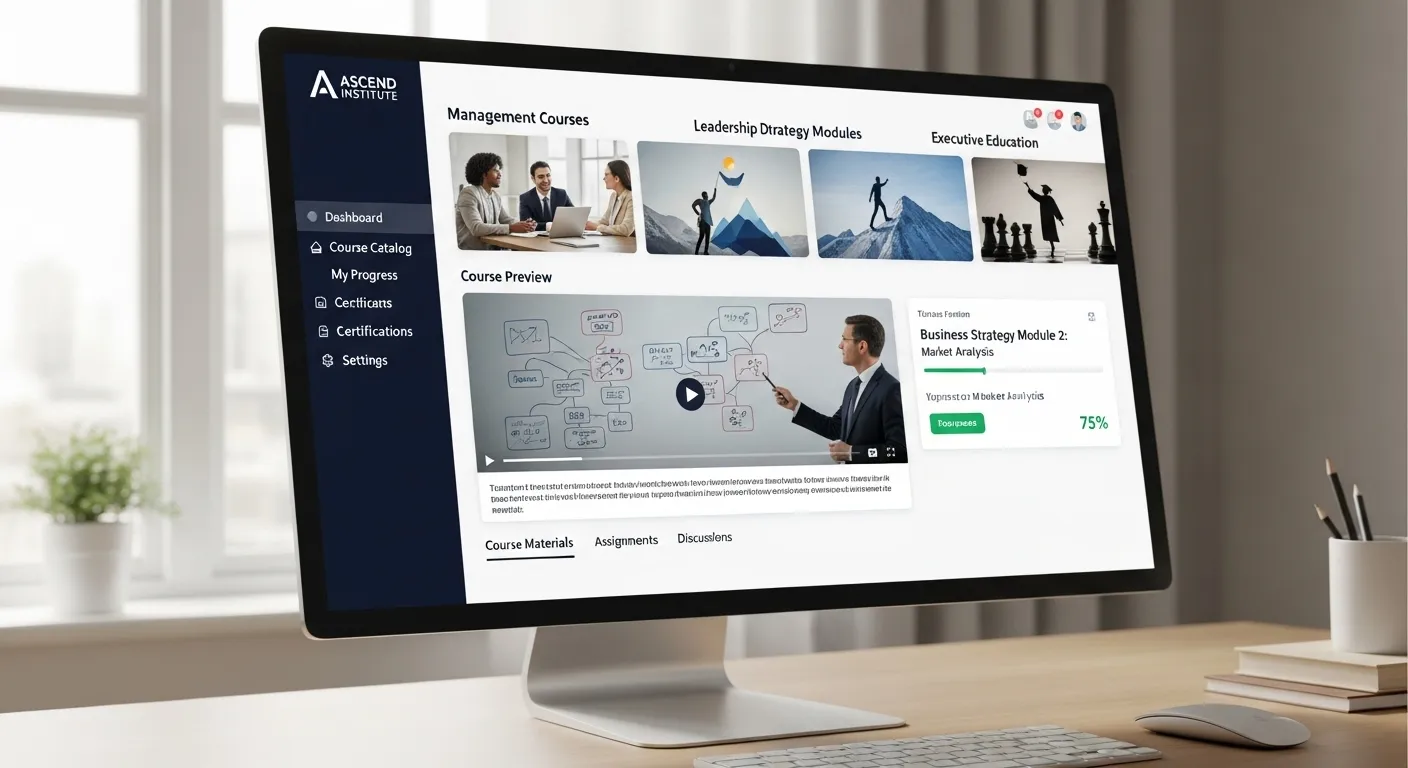
Enhance Your Skills with Online Finance and Accounting Courses
In today's rapidly evolving business landscape, staying competitive requires continuous learning and skill development. For professionals in the financial sector, or those aspiring to enter it, online finance and accounting courses offer an unparalleled opportunity to enhance expertise, gain certifications, and advance careers. These flexible programs cater to a diverse audience, from recent graduates to seasoned executives, providing the specialized knowledge needed to thrive. Investing in your financial education through online platforms is a strategic move, ensuring you remain at the forefront of industry trends and best practices.
Key Points:
- Flexibility: Learn at your own pace, from anywhere.
- Career Advancement: Gain certifications recognized by employers.
- Skill Specialization: Master in-demand areas like financial modeling and data analytics.
- Industry Relevance: Stay updated with the latest financial regulations and technologies.
- Networking: Connect with peers and instructors globally.
Why Invest in Online Finance and Accounting Courses?
The decision to pursue further education is significant, and online finance and accounting courses present a compelling case for investment. The traditional classroom model, while valuable, often lacks the flexibility required by today's busy professionals. Online learning bridges this gap, offering self-paced modules, interactive assignments, and access to world-class instructors from the comfort of your home or office. This accessibility democratizes high-quality financial education, making it available to a broader audience.
One of the primary benefits is the ability to upskill or reskill without interrupting your current employment. This is particularly crucial in finance, where new technologies and regulatory changes frequently reshape job requirements. For instance, the rise of financial technology (FinTech) demands new competencies in areas like blockchain and artificial intelligence, which many online programs now integrate into their curriculum. A 2024 report by PwC on the future of finance highlighted that 70% of finance leaders believe continuous upskilling is critical for their teams to adapt to digital transformation.
Furthermore, these courses often lead to recognized certifications, such as a Certified Public Accountant (CPA) or Chartered Financial Analyst (CFA) preparation, which significantly boost career prospects. The practical application of learned concepts through case studies and simulations is a hallmark of effective online programs, providing real-world experience that employers highly value.
Key Skills Developed Through Online Finance Programs
Online finance and accounting courses are designed to equip learners with a robust set of skills essential for success in various financial roles. These programs often go beyond theoretical knowledge, emphasizing practical application and critical thinking. The curriculum typically covers a wide array of topics, ensuring a comprehensive understanding of financial principles and practices.
Here are some core skills you can expect to develop:
- Financial Analysis and Reporting: Learn to interpret financial statements, perform ratio analysis, and prepare accurate financial reports. This skill is fundamental for roles in corporate finance and investment management.
- Budgeting and Forecasting: Master techniques for creating effective budgets, forecasting financial performance, and managing financial resources strategically. This is vital for business planning and operational efficiency.
- Taxation and Regulatory Compliance: Gain a deep understanding of tax laws, compliance requirements, and ethical considerations in finance. Staying current with regulations is paramount for avoiding penalties and maintaining integrity.
- Financial Modeling: Develop proficiency in building complex financial models using software like Excel, essential for valuation, investment decisions, and strategic planning. This is a highly sought-after skill in investment banking and private equity.
- Data Analytics for Finance: Learn to leverage data tools and techniques to extract insights from financial data, enabling more informed decision-making. According to Deloitte's 2025 outlook on accounting trends, data literacy will be a non-negotiable skill for finance professionals.
- Risk Management: Understand how to identify, assess, and mitigate financial risks, protecting assets and ensuring business continuity. This is crucial for all financial institutions.
Many programs also incorporate soft skills like problem-solving, communication, and leadership, which are equally important for career progression. Readers interested in specific financial modeling techniques can find more detailed guides in our advanced finance section.
Choosing the Right Online Accounting Certification
Selecting the appropriate online accounting certification or finance program is a critical step towards achieving your career goals. With numerous options available, it's important to consider several factors to ensure the program aligns with your aspirations and current skill level. The right choice can significantly impact your professional trajectory and open doors to new opportunities.
Consider the following when making your decision:
- Accreditation and Recognition: Verify that the institution and program are accredited by reputable bodies. This ensures the quality of education and the recognition of your certification by employers.
- Curriculum Relevance: Review the course syllabus to ensure it covers topics relevant to your desired career path and incorporates the latest industry trends, such as sustainable finance or blockchain accounting.
- Instructor Expertise: Look for programs taught by experienced professionals with real-world industry insights. Their practical knowledge can provide invaluable learning experiences.
- Flexibility and Format: Assess whether the program's structure (self-paced, cohort-based, live sessions) fits your schedule and learning style. Some programs offer micro-credentials, allowing you to specialize in specific areas.
- Cost and Financial Aid: Compare tuition fees, consider any additional costs for materials or exams, and explore available scholarships or payment plans.
- Career Support: Investigate whether the program offers career services, such as resume reviews, interview preparation, or job placement assistance. A recent study from the CFA Institute (2023) highlighted the increasing importance of practical career support in educational programs.
For a deeper dive into tax regulations, explore our articles on specialized tax training, which can help inform your choice of accounting specialization.
Career Advancement with Specialized Online Finance Training
Completing online finance and accounting courses can significantly accelerate your career advancement. Employers increasingly value candidates who demonstrate a proactive approach to learning and possess specialized skills. Whether you aim for a promotion, a career change, or to start your own venture, these courses provide the necessary foundation.
Specialized training can lead to various exciting career paths:
- Financial Analyst: Analyze financial data, prepare reports, and provide recommendations for investment decisions.
- Accountant/Auditor: Manage financial records, ensure compliance, and conduct audits for businesses.
- Investment Banker: Advise clients on mergers, acquisitions, and capital raising. Learn more about career paths in investment banking by checking out our related resources.
- Financial Manager: Oversee an organization's financial health, manage budgets, and develop financial strategies.
- Risk Manager: Identify and assess financial risks, developing strategies to mitigate potential losses.
- Data Analyst (Finance): Specialize in using data science techniques to solve complex financial problems and predict market trends.
The ability to demonstrate expertise in niche areas like environmental, social, and governance (ESG) investing or advanced forensic accounting, often covered in specialized online modules, can set you apart in a competitive job market. These courses not only impart knowledge but also build confidence and credibility, positioning you as a valuable asset to any organization.
The Future of Finance and Accounting Education Online
The landscape of finance and accounting is continually evolving, driven by technological advancements and global economic shifts. Online finance and accounting courses are at the forefront of this evolution, adapting rapidly to incorporate emerging trends and prepare professionals for future challenges. The integration of artificial intelligence (AI) and machine learning (ML) into financial analysis and auditing, for example, is becoming a standard component of advanced online curricula. This ensures that learners are not just keeping pace but are actively prepared to innovate.
Another significant trend is the increasing emphasis on practical, project-based learning. Many online platforms are moving beyond traditional lectures to offer hands-on projects, simulations, and virtual internships. This approach provides learners with tangible experience, allowing them to apply theoretical knowledge to real-world scenarios and build a portfolio of work. This focus on practical application is a key differentiator, providing more than just theoretical knowledge. Furthermore, the global nature of online learning fosters a diverse learning environment, exposing students to international financial standards and cross-cultural business practices, which is invaluable in today's interconnected world.
Frequently Asked Questions
What are the key benefits of taking online finance and accounting courses?
Online finance and accounting courses offer unparalleled flexibility, allowing you to learn