Choosing the Best Cloud Computing Fundamentals Course for Your IT Career Path
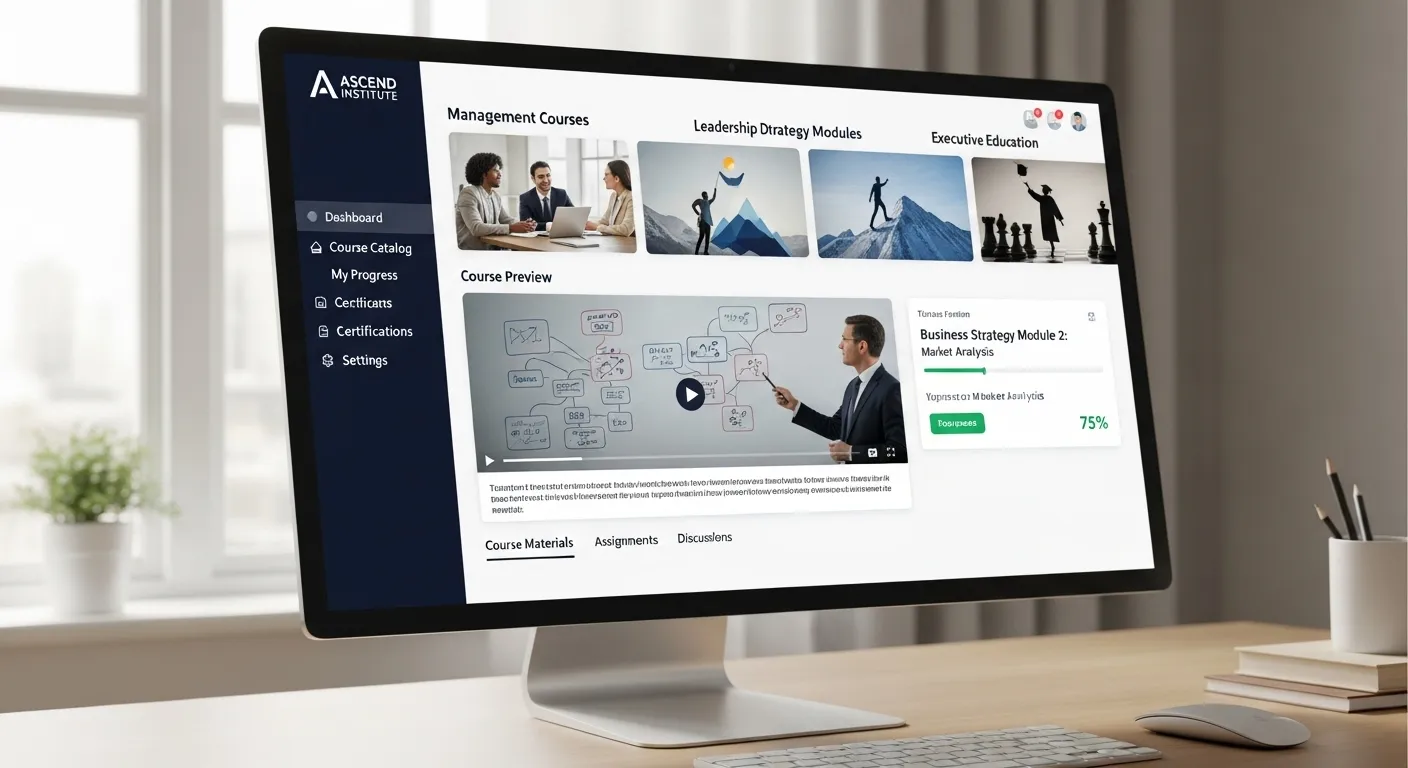
Embarking on a career in technology often requires a strong foundation in key areas, and cloud computing has emerged as one of the most critical. This guide is designed to help you navigate the myriad of options when choosing the best Cloud Computing Fundamentals Course for your IT career path. Understanding the core concepts of cloud technology is no longer optional; it's a prerequisite for nearly every role, from software development and data analysis to cybersecurity and system administration. Whether you're a fresh graduate, a seasoned professional looking to upskill, or making a complete career pivot, selecting the right introductory course can significantly impact your future success.
Key Points:
- Identify Career Goals: Align your course choice with specific IT roles (e.g., DevOps, Data, Security).
- Evaluate Course Content: Look for comprehensive coverage of services, deployment models, and security.
- Prioritize Hands-on Learning: Practical labs are crucial for real-world skill development.
- Consider Certification Pathways: Some fundamental courses prepare you directly for industry certifications.
- Vendor-Specific vs. Vendor-Neutral: Decide if you need broad knowledge or a deep dive into one platform.
Understanding the Landscape of Cloud Computing Fundamentals Courses
The cloud computing industry is vast and continues to grow at an exponential rate. Consequently, the demand for skilled professionals who grasp its foundational principles is higher than ever. Choosing the best Cloud Computing Fundamentals Course means first understanding what kind of foundational knowledge is most valuable. These courses typically cover core concepts such as cloud deployment models (public, private, hybrid), service models (IaaS, PaaS, SaaS), basic networking, storage, security, and common cloud services offered by major providers like AWS, Azure, and Google Cloud.
A well-structured fundamentals course provides a panoramic view of cloud capabilities without getting lost in overly complex technical details. It should equip learners with the vocabulary to discuss cloud solutions intelligently and the conceptual framework to understand how cloud services function. This initial step is crucial for anyone looking to enter or advance within the modern IT landscape, often serving as a stepping stone to more specialized training and certifications.
Factors to Consider When Choosing Your Cloud Fundamentals Program
Selecting the ideal cloud fundamentals course requires a thoughtful assessment of several key factors that extend beyond just the curriculum. Your personal learning style, career aspirations, and even your current technical aptitude will play a significant role. Here’s a detailed look at what to prioritize:
Aligning Cloud Computing Education with Your Career Path
The first and most critical step is to consider where you want your IT career to go. Are you aiming for a role in cloud architecture, data engineering, cybersecurity, or perhaps DevOps? Different career paths may benefit more from specific foundational knowledge or particular vendor exposure. For example, a future data scientist might prioritize courses that touch upon cloud data storage and analytics services, while a cybersecurity professional would focus on cloud security models and compliance. Researching typical job descriptions for your desired roles can provide invaluable insights into the cloud skills employers are seeking.
A solid foundational course will provide a broad overview, but some might subtly lean towards certain specializations. It’s worth exploring how the course content connects to various IT domains. For instance, a course highlighting serverless computing might be more relevant for a developer, whereas one focusing on virtual machine management would suit an infrastructure administrator.
Evaluating Course Content and Curriculum Depth
A robust Cloud Computing Fundamentals Course should offer comprehensive coverage of essential topics. Look for syllabi that include:
- Cloud Concepts: Definitions of cloud computing, its benefits, and challenges.
- Core Services: Introduction to compute, storage, networking, and database services.
- Deployment Models: Public, private, and hybrid cloud architectures.
- Service Models: Infrastructure as a Service (IaaS), Platform as a Service (PaaS), Software as a Service (SaaS).
- Security & Compliance: Basic principles of cloud security, identity and access management.
- Cost Management: Understanding billing models and optimizing cloud spend.
Be wary of courses that are too superficial or, conversely, too deep for an introductory level. The goal here is a broad understanding, not immediate specialization. A balanced curriculum ensures you gain a holistic perspective, which is crucial before diving into advanced topics. According to a 2024 report by CloudSkills.com, foundational understanding of cloud cost management and security are increasingly becoming critical skills even at entry-level positions.
The Importance of Hands-on Labs and Practical Experience
Theory is important, but practical experience is paramount in cloud computing. The best Cloud Computing Fundamentals Course will integrate extensive hands-on labs and real-world projects. These practical exercises allow you to apply theoretical knowledge, configure services, troubleshoot issues, and gain confidence. Without hands-on experience, the concepts remain abstract and difficult to internalize.
Look for courses that offer:
- Sandbox Environments: Dedicated, temporary cloud environments where you can experiment safely.
- Guided Labs: Step-by-step instructions for common cloud tasks.
- Project-Based Learning: Opportunities to build small cloud solutions from scratch.
This practical application differentiates a good course from a great one, preparing you for actual job responsibilities. Data from AWS Training and Certification (early 2025) consistently shows that individuals with practical lab experience perform significantly better in certification exams and real-world scenarios.
Vendor-Specific vs. Vendor-Neutral Courses: Making the Right Choice
This is a pivotal decision when selecting a cloud fundamentals course.
- Vendor-Specific Courses: These focus on one major cloud provider, such as AWS (Amazon Web Services), Microsoft Azure, or Google Cloud Platform (GCP). Examples include the AWS Cloud Practitioner Essentials or Azure Fundamentals (AZ-900). They provide deep insights into a particular ecosystem, which is beneficial if your target roles are tied to a specific vendor.
- Vendor-Neutral Courses: These offer a broader overview of cloud concepts applicable across all providers. The CompTIA Cloud+ certification is a prime example. They are excellent for gaining a universal understanding and are particularly useful if you anticipate working in a multi-cloud environment or are unsure which vendor ecosystem you’ll primarily operate in.
As noted in a late 2023 article in TechCrunch, the industry is increasingly moving towards multi-cloud strategies, making vendor-neutral understanding highly valuable. Your decision should be guided by your specific career aspirations and the prevalence of certain cloud platforms in your target industry. For instance, if you're aiming for a government IT role, Azure might be more prevalent, while startups often lean towards AWS or GCP.
Certification Pathways and Professional Recognition
Many fundamental cloud courses are designed to prepare you for entry-level certifications, such as the AWS Certified Cloud Practitioner, Microsoft Certified: Azure Fundamentals, or Google Cloud Digital Leader. Earning an industry-recognized certification can significantly enhance your resume and validate your foundational knowledge to potential employers. When choosing the best Cloud Computing Fundamentals Course, consider if it aligns with a certification exam you plan to take. Some courses bundle exam vouchers or offer practice tests as part of their package. These certifications demonstrate a commitment to professional development and a verified understanding of cloud principles, giving you a competitive edge.
Enhance Your Digital Skill Set: Differentiated Value
Beyond the standard curriculum, truly exceptional cloud fundamentals courses offer unique elements that set them apart. One such differentiator is a strong emphasis on cloud security and compliance best practices even at the foundational level. Many introductory courses touch on security lightly, but the escalating importance of data protection means a deeper initial dive provides immense value. Understanding concepts like the shared responsibility model, basic encryption, and identity management from the outset prepares you better for any cloud role.
Another crucial differentiator is the inclusion of modules or insights into hybrid and multi-cloud strategies. While single-vendor cloud adoption was once the norm, the trend is now towards leveraging multiple cloud providers (multi-cloud) or combining on-premises infrastructure with cloud services (hybrid cloud). A course that discusses the implications and benefits of these advanced deployment models, even at a high level, provides a forward-looking perspective, making you more adaptable and valuable in a rapidly evolving tech landscape. This provides a tangible advantage by equipping learners with a broader, more future-proof skillset, allowing you to diversify your digital skill set.
Frequently Asked Questions (FAQ)
Q: How long does it typically take to complete a Cloud Computing Fundamentals Course?
A: The duration varies significantly based on the course's intensity and your learning pace. Most online foundational courses can be completed anywhere from 20 to 60 hours of study. This might translate to 2-4 weeks for an intensive full-time learner or 2-3 months for part-time learners dedicating a few hours each week. Self-paced options offer maximum flexibility.
Q: Do I need a strong technical background to start a Cloud Computing Fundamentals Course?
A: Generally, no. Most fundamental courses are designed for beginners with little to no prior cloud experience. A basic understanding of computer literacy, the internet, and perhaps some familiarity with IT concepts is helpful but not strictly required. The courses usually start with core definitions and build up knowledge progressively.
Q: What are the career prospects after completing a foundational cloud course?
A: Completing a cloud fundamentals course opens doors to various entry-level IT roles or provides a strong advantage in existing roles. It's often the first step towards becoming a Cloud Administrator, Cloud Engineer, DevOps Engineer, or Solution Architect. It also significantly boosts career prospects in related fields like data science, cybersecurity, and software development by adding critical cloud literacy.
Q: Is it better to learn one cloud platform deeply or gain a broad understanding of multiple?
A: For a fundamentals course, gaining a broad, vendor-neutral understanding is often highly beneficial, especially if you're exploring various IT career paths or anticipating working in a multi-cloud environment. However, if you already have a specific job or company in mind that uses a particular cloud provider, a vendor-specific foundational course can provide a more direct path to that goal.
Conclusion and Next Steps
Choosing the best Cloud Computing Fundamentals Course for your IT career path is a strategic decision that lays the groundwork for future success in a dynamic industry. By carefully evaluating your career goals, course content, the availability of hands-on labs, and the choice between vendor-specific and vendor-neutral approaches, you can make an informed decision that propels your professional journey forward. Remember, the investment in your foundational cloud knowledge is an investment in your future.
We encourage you to share your experiences in the comments below – what fundamental cloud course helped you the most? What advice would you give to someone just starting? Your insights can greatly benefit others in our community. Don't forget to subscribe to our newsletter for the latest updates on cloud computing trends and educational opportunities.
Extended Reading Suggestions:
- Understanding Cloud Security Best Practices: Learn how to safeguard cloud environments. (
/articles/understanding-cloud-security-best-practices) - How to Prepare for Cloud Certification Exams: Maximize your chances of success. (
/articles/how-to-prepare-for-cloud-certification-exams) - Exploring Creative and Design Programs: Broaden your digital horizons and explore how cloud tools empower design. (
/categories/creative-and-design-programs)
Information Timeliness and Future Updates:
This article reflects cloud industry trends and course recommendations as of late 2025. Given the rapid evolution of cloud technology, we recommend reviewing information for timeliness every 6-12 months. Future updates may include emerging cloud providers, new certification pathways, and deeper dives into serverless or AI/ML cloud services.